Ask a security installer about anti-burglary fog and there is a good chance they will say the word SmokeCloak. Like Hoover for vacuum cleaners, the name of one well-known brand has become shorthand for a whole category: security fog machines, also called fog cannons or fogging systems.
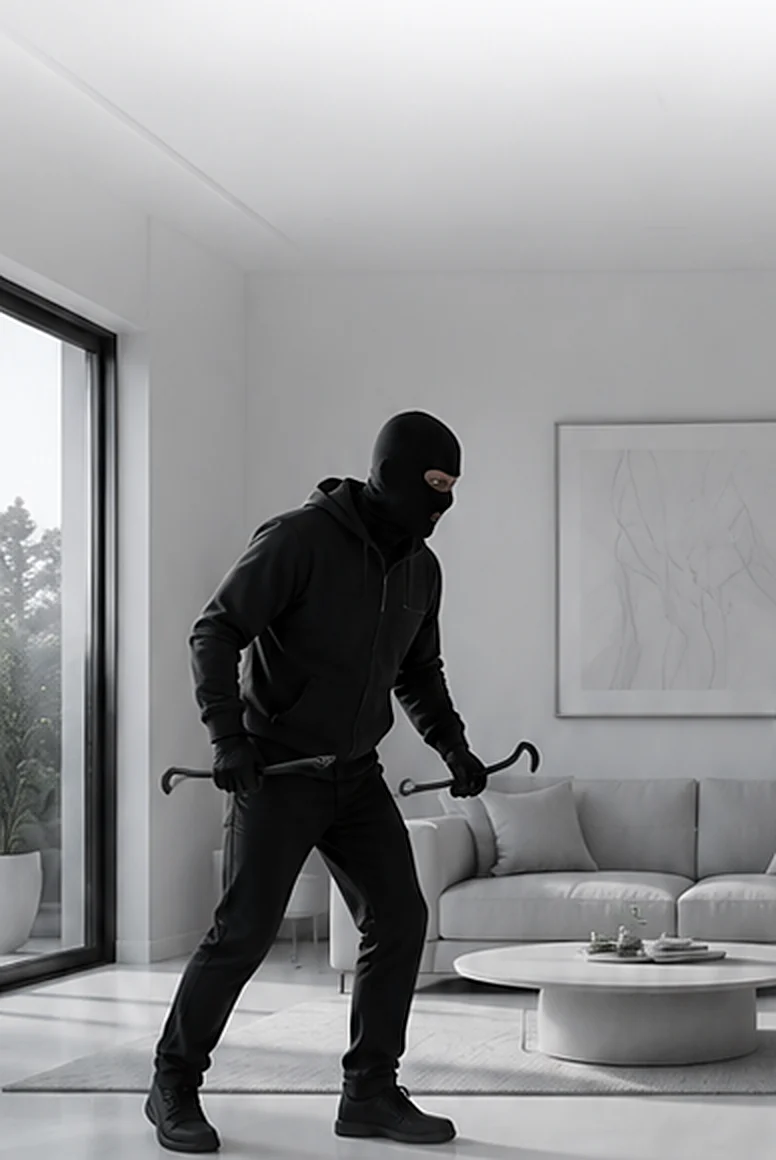
Whatever name it goes by, the idea is the same. The moment a break-in starts, the device floods the protected room with a dense, white, harmless fog. Visibility drops to almost nothing in seconds. An intruder cannot steal what they cannot see, so most simply turn around and leave with nothing.
Where the SmokeCloak name comes from
SmokeCloak is a long-established security fog brand whose fog cannons have protected banks, warehouses and high-street shops for decades, usually specified and fitted by professional alarm installers. Because it was one of the first names in the field, many people now search for "SmokeCloak" when what they really want is any security fog system for their shop or home.
That distinction matters when you are buying, because the category has changed. Fog security used to mean a dealer visit, a professional installation and a service contract. Today it also includes compact self-install systems, so the right question is no longer "where do I get a SmokeCloak?" but "which type of fog security fits my space and budget?" Our guide to choosing a security fog machine walks through exactly that.
How security fog actually works
Every fog security device, whatever the brand, works on the same principle. A cartridge of food-grade fog fluid sits inside the unit next to a heating element that is kept ready. When the system is triggered, by an alarm, a sensor, a panic button, a remote or an app, the fluid is flash-vaporised and expelled as a thick fog that fills the room in seconds.
The fog is dry, non-toxic and leaves no residue on furniture or electronics when the system is properly installed. It clears by itself after the event. While it hangs in the air, the room has effectively disappeared: no till, no display case, no way to search a drawer. You can read the fundamentals in our guide to what a security fog system is.
Who fog protection is for
The classic users are businesses with compact, valuable, easy-to-carry stock: jewellers, phone and vape shops, pharmacies, opticians and cash rooms. They were hit hardest by smash-and-grab raids, and fog is the one measure that works during the burglary rather than after it.
Homes joined the list once devices became small enough to mount like a speaker and simple enough to install without a technician. The Fogaway X1 is built for exactly that use: it covers up to 60 square metres, fires in under a second, installs in minutes and works alongside whatever alarm you already own.
What fog does not do
Fog is a response layer, not a detection layer. It needs something to trigger it: a door sensor, a motion detector, an existing alarm or a person pressing a button. It also does not replace sensible basics like good locks and lighting. It is the layer that takes over in the minutes where everything else has already been beaten.
SmokeCloak is a trademark of its respective owner. Fogaway is an independent brand and is not affiliated with or endorsed by SmokeCloak.